

MEMBER BLOG
Share Your Expertise
Have an idea, insight, or resource to share? We’d love to hear from you.
Submit your original content for consideration.

YOUR EXPERTISE. OUR COMMUNITY.
OC Shrinks members are invited to share their expertise, insights, and professional perspectives through original articles for the OC Shrinks Blog.
Share your knowledge.

Have something valuable to share?
OC Shrinks members have a wealth of knowledge, experience, and perspective to share. We’re inviting our members to contribute original articles and professional insights to the OC Shrinks Blog.
It’s an opportunity to share your expertise with our community, provide valuable information to fellow mental health professionals, and introduce others to the work you do.
WHAT CAN YOU WRITE ABOUT?
We welcome thoughtful, educational content related to mental health, professional practice, wellness, and the work you do.
Ideas include:
Clinical and professional insights
Educational topics and mental health trends
Practice tips and resources
Specialized areas of expertise
Professional experiences and perspectives
Helpful resources for clinicians and mental health professionals
Community or industry topics relevant to our members
Have another idea? We’d love to hear it.
WHAT WE'RE LOOKING FOR

We’re looking for content that is:
Helpful — provides information or perspective readers can use
Relevant — speaks to the mental health community
Educational — offers expertise, insight, or meaningful discussion
Original — created specifically for the OC Shrinks Blog
Articles should generally be 600–1,200 words and written for a professional, informed audience.
READY TO CONTRIBUTE?
Have a completed article ready to submit? Or just have an idea or topic you’d like to run by us first?
We’d love to hear from you ◡̈
When submitting, please include your name, credentials, practice or business name, a brief bio, and your proposed topic or completed article.
A NOTE ABOUT PROMOTIONAL CONTENT
The OC Shrinks Blog is primarily an educational and professional resource—not an advertising platform.
If you’re looking to promote a service, program, event, business, or special offer, we have other promotional opportunities available through OC Shrinks. Contact us.
When submitting, please include your name, credentials, practice or business name, a brief bio, and your proposed topic or completed article.
All submissions are reviewed prior to publication and may be edited for length, clarity, formatting, and style. Submission does not guarantee publication.
NOT A MEMBER YET?
The OC Shrinks Blog is a member benefit, and we’d love to have you be part of the community.
Membership connects you with a network of mental health professionals throughout Orange County and beyond, along with opportunities for professional visibility, referrals, networking, events, educational resources, and more.
Have another idea or something you’d like to share? Drop us a line. We’re always open to fresh ideas and new ways to educate, connect, and support our community.

5 Signs Your Private Practice Needs Better Systems—Not More Clients
Is your private practice busy but still feels harder to manage than it should be? Here are five signs that your practice may need better systems—not more clients—and practical ways to streamline your workload, strengthen referrals, and build a more sustainable practice.
If your practice is busy but you still feel like you're constantly playing catch-up, the problem may not be that you need more clients.
It may be that your systems haven't caught up with your practice.
Many therapists are excellent clinicians but were never taught how to build the business infrastructure that supports a sustainable practice. Over time, small inefficiencies can turn into hours of unnecessary administrative work.
Here are five signs it may be time to streamline.

1. You’re spending too much time on administrative tasks
If you're regularly answering the same emails, searching for information, rescheduling appointments, chasing paperwork, or manually tracking referrals, there's probably an opportunity to automate or simplify.
Your time is better spent on clinical work, relationships, and the parts of your practice that actually require you.
2. Referrals are inconsistent
You shouldn't have to start from scratch every time your caseload changes.
Build relationships with other therapists, physicians, treatment centers, schools, attorneys, and other professionals who regularly interact with the people you serve. A strong referral network creates consistency—and gives you people to refer to when a client isn't the right fit for your practice.
3. Your website doesn't clearly explain what you do
A potential client should be able to answer three questions quickly:
Who do you work with?
What do you help with?
How do they get started?
If someone has to hunt through your website to figure those things out, you may be losing inquiries before they ever become consultations.
4. You’re doing everything yourself
Being independent doesn't mean you have to do everything alone.
Look at the tasks you're doing that don't require your clinical expertise. Billing, bookkeeping, scheduling, marketing, website updates, graphic design, and administrative work can often be delegated, automated, or streamlined.
The goal isn't to build a giant team.
The goal is to stop spending your highest-value time on your lowest-value tasks.
5. You don't have time to work on your practice
This may be the biggest sign of all.
If you're constantly working in your practice—seeing clients, answering emails, managing crises, filling cancellations—you may never have the space to think strategically about where you want your practice to go.
Set aside regular time to look at your referral sources, finances, schedule, marketing, client experience, and professional goals.
Even one hour a month can make a difference.

Your Practice Should Support Your Life—Not Consume It
A successful private practice isn't simply one with a full caseload.
It's one that is financially sustainable, professionally fulfilling, and structured in a way that allows you to have a life outside of work.
If your practice feels harder to manage than it should, don't automatically assume you need to work harder.
Sometimes you need a better system.
And sometimes you just need other therapists who understand exactly what you're talking about.
That's one of the reasons professional community matters.
At OC Shrinks, we believe therapists shouldn't have to build their practices completely on their own. Our community connects mental health professionals across Orange County and beyond through referrals, networking, professional resources, job opportunities, events, and ongoing connection.

Are Clients & Referral Partners Finding You?
A quick checklist to help therapists improve online visibility, strengthen referral relationships, and make it easier for clients and referral partners to find them.

The 10-Minute Therapist Visibility Checklist
Your clinical skills matter — but if the right people can’t find you, they can’t connect with you.
Use this quick checklist to make sure your online presence and professional network are working for you.
Online Presence
☐ Google Business Profile is updated
Your name, specialty, location, hours, website and photos are current.
☐ Your therapist profiles are refreshed
Your online profile directory reflects your current specialties, availability and ideal clients.
☐ Your website bio speaks to your ideal client
Your bio clearly communicates:
Who you help
What challenges you support
Your therapeutic approach
What makes your work unique
☐ Your specialties are clearly listed
Potential clients and referral partners should quickly understand who you serve.
☐ You have a professional headshot
A quality photo helps build trust and connection.
Referral Network
☐ You have intentional referral relationships
You know professionals who serve similar populations and understand when to refer to one another.
☐ You have a networking strategy
You regularly attend events, connect with colleagues and nurture professional relationships.
☐ Your follow-up system is organized
You have a way to keep track of new connections and stay in touch.
☐ Your email signature is working for you
Include your specialty, website, and ways to connect.
☐ You are involved in your professional community
Relationships — not just referrals — build sustainable practices.

Ready to strengthen your visibility and grow your referral network?
If you checked off a few items, great — you already have a strong foundation. If you noticed a few gaps, that’s even better. Visibility grows when you make small, intentional updates consistently.
OC Shrinks helps therapists, agencies, and mental health professionals build trusted connections through networking events, referral opportunities, and a supportive professional community. Whether you’re looking to increase referrals, meet like-minded providers, or stay connected to the local mental health community, we’re here to help you grow with intention.
EXPLORE OC SHRINKS TO LEARN MORE ABOUT UPCOMING EVENTS, COMMUNITY CONNECTIONS AND WAYS TO GET INVOLVED.
🍊JOIN A COMMUNITY BUILT FOR CLINICIANS & START BUILDING REAL RELATIONSHIPS THAT SUPPORT YOUR PRACTICE.

The Quiet Pattern Behind Clinician Burnout
Most clinicians understand burnout intellectually but still struggle with overfunctioning, overcommitment, and chronic emotional load in their clinical work. This article explores why insight alone is not enough to change these patterns, and why sustainable practice requires peer context, relational support, and environments that normalize capacity awareness and reduce professional isolation.
The intention is to reduce professional isolation and create a consistent space where clinicians can stay connected, reflective, and supported while continuing to build their work in practice.
When Clinical Insight Isn’t Enough: The Overfunctioning Loop in Therapists

Most clinicians don’t struggle with insight. If anything, they have too much of it.
They can name the pattern, map the defense, and track the attachment strategy in real time. And yet many still find themselves in a familiar loop: overcommitting, overthinking, overfunctioning—and wondering why exhaustion keeps returning even when nothing is “technically wrong.”
Burnout is rarely a skill problem
For therapists, burnout is less about competence and more about structure. It often develops in highly responsible, relationally attuned clinicians who are trained to hold complexity.
It can look like:
Absorbing more emotional labor than is accounted for
Losing track of personal limits during high-demand periods
Delaying rest until “everything is handled”
Feeling internal tension even with a manageable caseload
Low-grade resentment that never quite gets named
Defaulting to “I’ll just take care of it”
Over time, this gets mislabeled as professionalism—when it’s actually chronic overextension. These are the kinds of patterns often explored in real time inside OC Shrinks—a peer community for clinicians working with burnout, overfunctioning, and capacity strain in practice, not just theory.
When identity reinforces overfunctioning
For many therapists, being “good at the work” quietly becomes tied to being the one who holds the most.
That shows up as:
Over-responsibility beyond clinical scope
Difficulty tolerating imperfection or rupture
Defaulting into leadership or containment roles without choosing them
Pressure to stay regulated and available even when depleted
These are also the traits that make someone effective—which is exactly why the pattern persists.
What starts as attunement slowly becomes identity: the stabilizer.
In many cases, these identity-level patterns are easier to see and shift when clinicians are in ongoing contact with peers who are actively naming the same dynamics in their own work. That’s a core focus inside OC Shrinks.
Insight doesn’t equal regulation

One of the most overlooked realities in clinicians is the gap between cognitive awareness and nervous system capacity.
“I know I’m overextended, so why am I still saying yes?”
“I know I need rest, so why can’t I slow down?”
“I know this pattern—so why does it keep happening?”
This is where burnout quietly lives: not in lack of understanding, but in lag between insight and embodied change. This gap between insight and embodied change is often where peer-based professional spaces become most supportive—especially when those spaces are built around clinicians actively working with these patterns together, like OC Shrinks.
Sustainability is structural, not individual
Boundaries and balance are often framed as mindset shifts. In reality, they require conditions such as:
External reinforcement of limits
Environments that normalize pacing
Peer contexts where overfunctioning is visible, not rewarded
Ongoing contact with colleagues actively working against collapse patterns
Without this, even skilled clinicians tend to default back to over-responsibility under pressure.
Why peer context matters more than insight
Most therapists are doing this work in relative isolation. Over time, even strong insight becomes circular when it isn’t mirrored or reinforced externally.
What changes behavior isn’t more analysis—it’s repeated exposure to peers naming the same dynamics in real time and actively working with them.
That shifts what feels normal. And what feels normal tends to shape behavior more than intention ever will.
A different kind of professional support
There is a growing need for spaces that are less about teaching or supervision, and more about relational grounding.
Spaces where clinicians can:
Notice overfunctioning without performance pressure
Speak honestly about capacity and fatigue
Stay connected to clinical identity without over-identifying with it
Recalibrate sustainability alongside peers doing similar work
Not as an escape from clinical responsibility—but as a way of staying in it without depletion becoming the baseline.
Closing Reflection

Most clinicians don’t need more information about burnout. They need repeated, normalized contact with environments where they are not required to override their own limits to be seen as competent.
Sustainability is not a personal trait. It is a supported practice.
And in many cases, it requires community with others who are also actively undoing the reflex to overfunction. That’s often the difference between insight and integration.
These shifts rarely hold through insight alone or in isolation. They become more sustainable when clinicians are in ongoing contact with peers naming the same real-time dynamics—overfunctioning, boundary drift, emotional load creep, and the subtle ways professional identity can override personal capacity. What changes behavior is not more information, but consistent exposure to a professional context where these patterns are visible, normalized, and worked with over time rather than individually managed after the fact.
This is the gap OC Shrinks was created to address: a membership-based clinician community designed to reduce professional isolation and support sustainable practice through ongoing peer connection and shared reflection.
Join the Community
OC Shrinks is a membership-based clinician community focused on sustainable practice, peer connection, and real-time support around overfunctioning, burnout, and capacity in clinical work.

The Power of Community in Mental Health
In a field increasingly impacted by burnout, isolation, online division, and pressure to constantly keep up, community has never been more important for mental health professionals. This blog explores why authentic connection, collaboration, and support among clinicians is critical now more than ever — and the deeper mission behind OC Shrinks.
In a profession built around helping others feel less alone, many mental health professionals are quietly struggling with isolation themselves.

In a profession built around helping others feel less alone, many mental health professionals are quietly struggling with isolation themselves.
Therapists, social workers, psychologists, coaches, and wellness providers spend their days supporting clients through trauma, anxiety, grief, relationship issues, and major life transitions — often while managing burnout, growing caseloads, documentation overload, business stress, and the emotional heaviness of the work itself. Add social media comparison, perfectionism, and the pressure to constantly keep up, and it becomes clear: this field can feel incredibly lonely.
That’s exactly why community matters now more than ever.
Mental health work was never meant to happen in isolation. Yet many clinicians today are operating in silos — especially those in private practice. Gone are the days of naturally debriefing with coworkers in hallways or feeling consistently connected to colleagues who truly understand the emotional demands of this profession.
At the same time, there has been growing division within the mental health field itself. Between political tension, online call-out culture, social media outrage, differing opinions on treatment approaches, and the pressure to say the “right” thing at all times, many clinicians feel increasingly guarded, disconnected, or hesitant to engage openly with one another.
And honestly, we need each other now more than ever.
This is the why behind OC Shrinks and the reason this community was created in the first place — to create a space where clinicians can connect authentically, support one another, collaborate, and remember they do not have to navigate this field alone.
Behind the polished websites and curated social media posts are real humans trying to balance client care, paperwork, finances, relationships, boundaries, and their own mental health too. The more connected we are to one another, the more honest we can become about the realities of this profession — and honesty creates sustainability.
Community helps reduce burnout, normalize challenges, strengthen referral relationships, and remind clinicians they are not failing simply because they are human. Sometimes support looks like consultation, collaboration, referrals, or networking. And sometimes it simply looks like another therapist saying, “Me too.”
That moment matters more than people realize.

The strongest mental health communities are built on collaboration — not competition. There is room for nuance. There is room for differing perspectives. And there is room to support one another without needing to agree on every single thing.
At OC Shrinks, we’ve seen firsthand what happens when clinicians come together in authentic and meaningful ways. Walls come down. Collaboration increases. Burnout decreases. People feel supported again.
If you’ve been craving more connection in this field, we’d love to meet you. Come introduce yourself at one of our events, connect with fellow clinicians, and experience what happens when professional networking feels human again.
Whether you’re newly licensed, established in practice, growing a business, or simply looking for genuine connection with like-minded clinicians, there is space for you here.
Join the OC Shrinks community, attend an upcoming event, and come be part of a group of warm, vetted clinicians who believe supporting one another matters now more than ever.
Because community isn’t just helpful in this field anymore — it’s necessary.


A Simple Blueprint for Therapy Consultations That Actually Work
Consult calls don’t need to feel awkward, rushed, or uncertain.
Most therapists were never taught how to structure them—so they end up overthinking what to say or how to guide the conversation.
This simple, grounded script walks you through exactly how to run a 15-minute consultation in a way that feels clear, professional, and aligned—so both you and the potential client can determine if it’s the right fit.
Consult calls shouldn’t feel awkward, rushed, or improvised.
And yet most therapists were never actually taught how to run them.

“Consult calls aren’t about convincing someone to work with you — they’re about creating enough clarity for both of you to make a decision.” — Shelby Castile, LMFT
In graduate school we learn how to diagnose, conceptualize cases, and help clients build meaningful lives. But almost no one shows us how to structure the very first conversation a potential client has with us.
So when someone books a consultation, many therapists find themselves wondering:
• What should I say?
• How do I explain my approach clearly?
• When do I talk about fees?
• What if the client is talking to several therapists?
• How do I know if someone is actually a good fit for my practice?
Without a structure, consult calls can feel uncertain — for both you and the potential client.
After 20 years in private practice, I’ve learned that consultation calls don’t need to be complicated. They just need a clear, thoughtful structure.
A Grounded Approach to Consultation Calls
The goal of a consult call is not to “sell” someone into therapy.
The goal is simple — to create a clear, respectful conversation where both you and the potential client can determine whether working together feels like the right fit.
When consultation calls have a framework, they become:
• more relaxed
• more professional
• easier to navigate
• and far less awkward
For both people on the call.
Below is a simple structure you can use to guide a 15-minute consultation in a way that feels natural, clear, and aligned.
A Simple Consultation Script

“Confidence on consult calls doesn’t come from having the perfect words — it comes from knowing where you’re going.” — Shelby Castile LMFT
1. Opening the Call
“Hi [Name], it’s so nice to meet you. I’m really glad you reached out. Before we dive in, I just want to let you know this is a space for you to share what’s been going on and ask any questions you might have about working together.”
2. Invite Them to Share
“Do you want to tell me a little bit about what’s bringing you in right now?”
3. Clarify and Understand
“Can I ask a couple of questions to better understand what you’re looking for?” (Ask what you need clinically, while also noticing tone, expectations, and readiness.)
4. Reflect and Transition
”Thank you for sharing that — it really helps me get a sense of what you’re dealing with.”
5. Explain Your Approach
“Based on what you’re sharing, this is typically how I work…”
(Keep this simple and human. This isn’t a lecture — it’s a snapshot.)
6. Logistics and Fees
“Sessions are [length], we typically meet [frequency], and my fee is [rate]. I’m [in-network/out-of-network], and I can provide superbills if needed.”
7. Check for Fit
“How does that feel to you?”
“Do you feel like this could be a good fit?”
8. Next Steps
“If it feels like a good fit, the next step would be…”
(Explain scheduling, intake, or waitlist clearly.)
9. Close the Call
“Feel free to take some time to think about it — there’s no pressure at all. And if any other questions come up, I’m always happy to answer them.”
Who This Is For
This is for therapists who want their consultation calls to feel:
• Relaxed instead of awkward
• Clear instead of improvised
• Professional without feeling transactional
• Aligned with their values as clinicians
Whether you’re newly licensed or have been in practice for years, having a clear structure makes consult calls simpler, calmer, and more effective.
Final Thought
Consult calls don’t need to feel awkward or unpredictable.
With a clear structure in place, they become what they’re meant to be:
A short, thoughtful conversation that helps both you and the potential client decide whether working together makes sense. And that’s all they really need to be. ◡̈
About Me
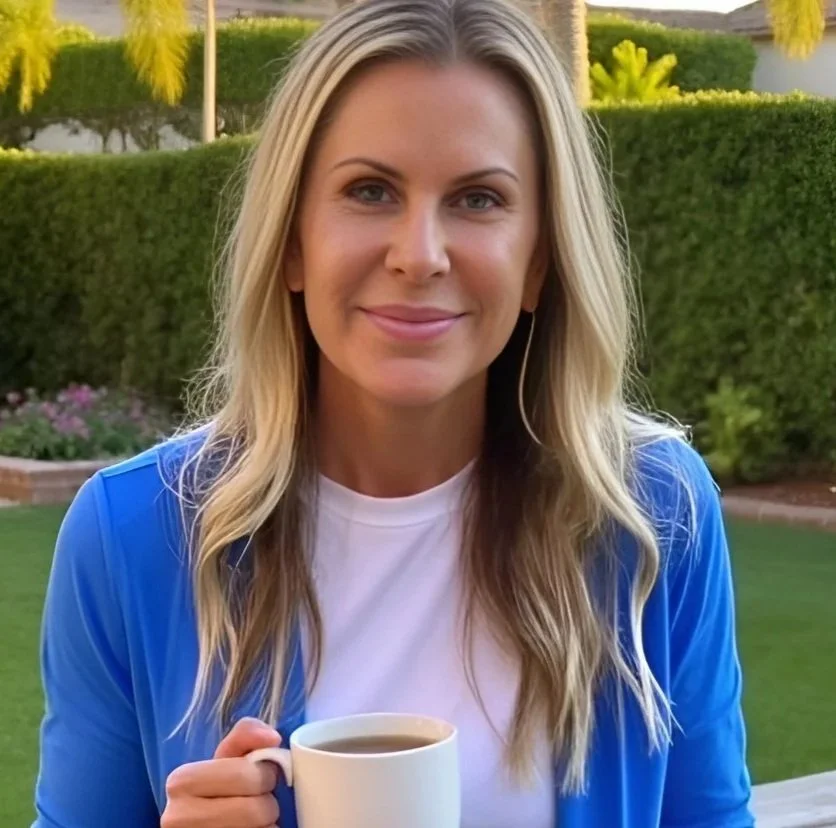
I provide supervision and consultation for clinicians at various stages of practice who are seeking thoughtful guidance, ethical grounding, and a space to process the realities of this work without judgment or pressure.
I’m Shelby Castile, Licensed Marriage & Family Therapist, and I’ve been working as a psychotherapist for over 20 years.
I run a private practice serving clients across California and I’m also the founder of OC Shrinks, a professional community of over 5,000 mental health providers who connect, collaborate, and support one another in building sustainable and meaningful careers in this field.
Over the years I’ve seen how many talented therapists struggle with the business side of private practice — not because they aren’t capable, but because no one ever taught them these pieces. Consultation calls are one of those things. When done well, they create clarity for both therapist and client. When done poorly, they can feel confusing, uncomfortable, and lead to mismatched expectations. A simple structure changes that.
If you’re a therapist looking for more support, connection, and practical guidance around building your practice, you’re invited to join the OC Shrinks community.
It’s a space for clinicians who want to grow—both professionally and personally—while staying connected to others who understand the work.
If you have any questions or want to connect before joining, feel free to reach out directly:

Starting a Private Practice: What Therapists Need to Know
Starting a private practice in Orange County can feel overwhelming—but it doesn’t have to be. This step-by-step guide walks California therapists through licensure, office setup, marketing strategies, client growth, and building a thriving practice with confidence.
A Practical Guide to Starting a Private Practice as a Psychotherapist in Orange County
(Step-by-Step for California Therapists Ready to Launch)

Starting a private practice as a psychotherapist in Orange County can feel exciting and overwhelming all at once. From licensure requirements to marketing your services, there’s a lot to consider. This practical, step-by-step guide will help California therapists navigate the process with clarity and confidence.
1. Understand Licensing and Legal Requirements
Before anything else, ensure you meet California licensing requirements for your field (LMFT, LCSW, PsyD, etc.). You’ll also need to:
Register your business: Decide whether you’ll operate as an LLC, sole proprietorship, or other entity.
Obtain necessary insurance: Malpractice coverage is a must. Consider general liability insurance for your office as well.
Check local regulations: Newport Beach, Irvine, and other OC cities may have zoning or business permits to review.
Tip: Keep all documentation organized—licenses, insurance, contracts, and intake forms—for both compliance and efficiency.
2. Define Your Niche and Ideal Client
A clear niche helps attract clients who resonate with your approach. Ask yourself:
Who do I want to serve? Adults, teens, couples, or specific trauma populations?
What issues am I uniquely equipped to help with? Anxiety, trauma, grief, relationship challenges?
How will my offerings stand out in Orange County’s mental health landscape?
Tip: Specializing doesn’t limit you—it helps your marketing and builds trust faster.
3. Set Up Your Office or Virtual Practice
Decide if you’ll operate in-person, telehealth, or hybrid. Key considerations:
Office location: Proximity to public transport, parking, and accessibility.
Telehealth setup: HIPAA-compliant platforms for video sessions, secure client portals, and electronic payment systems.
Furnishings and ambiance: Create a safe, welcoming space for clients.
4. Pricing, Policies, and Paperwork

“Many clients actively seek private-pay therapists, making OC one of the most viable regions in California to build a sustainable practice without relying on insurance panels.” - Shelby Castile, LMFT
Set session fees based on local rates and your experience. Orange County therapists typically charge $150–$300 per session.
Create clear policies: Payment, cancellations, and insurance reimbursement procedures.
Use professional contracts for services, informed consent, and client intake forms.
Tip: Streamlined, professional paperwork saves time and builds trust with clients.
5. Marketing and Visibility
Building a private practice isn’t just about being a great therapist—it’s about getting found:
Website and SEO: Your site should clearly explain your services, credentials, and approach. Optimize for local searches like “psychotherapist in Newport Beach.”
Social media: Share content that reflects your niche and personality.
Networking: Join local professional organizations and communities. OC Shrinks provides a platform to connect with over 5,000 therapists for referrals and collaboration.
6. Build Referral Relationships (Your Real Marketing Strategy)

“Websites don’t fill practices — relationships do.”- Shelby Castile, LMFT
Websites don’t fill practices — relationships do.
Focus on connecting with:
Local therapists
Psychiatrists
OB/GYN providers
Wellness professionals
School counselors
Community organizations
“In Orange County, reputation spreads quickly inside professional networks. Community beats algorithms every time.”
7. Build Your Client Base and Reputation
Offer complimentary consultations to introduce yourself.
Collect testimonials and referrals (with client consent).
Track metrics for client retention, cancellations, and waitlists to optimize your workflow.
Tip: Consistency in marketing and outreach is critical in your first 6–12 months.
8. Utilize Support Networks
You don’t have to go it alone. Joining a professional community like OC Shrinks gives you:
Mentorship and coaching opportunities
Peer support and networking
Marketing resources, templates, and guidance for growing your practice
Want to start your private practice with confidence? Have questions about licensure, marketing, or client growth?
Reach out today or join OC Shrinks to access resources, mentorship, and a supportive therapist network.
Final Thoughts
Starting your private practice in Orange County is a rewarding journey, but it requires planning, consistency, and support. By following these steps—understanding licensing, defining your niche, creating policies, marketing strategically, and leveraging a supportive community—you’ll build a thriving, sustainable practice.
Ready to Start or Grow Your Private Practice?

Caring for the Caregivers: Why Therapist Self-Care Matters at the Start of a New Year
The start of a new year can bring reflection — and pressure — for therapists. Read more to explore why therapist self-care is essential, how community partners and mental health resources in Orange County support sustainability, and why connection is a critical part of caring for the caregivers.
The new year has a way of inviting reflection.
Fresh calendars. Clean slates. Quiet pressure to “reset” — even when you’re already carrying a full caseload and holding space for others every day.
For therapists, the start of the year isn’t just about goals or growth. It’s about sustainability. Because when you’re part of the mental health community in Orange County, showing up well for others starts with taking care of yourself first.
At OC Shrinks, we believe community care and self-care go hand in hand. And as the year unfolds, this is your reminder: you don’t have to do this work alone.
The Hidden Weight Therapists Carry Into the New Year
Therapists are often the steady ones — the calm presence, the regulated nervous system in the room. But that doesn’t mean the work is light.
By January, many clinicians are:
Recovering from a busy end-of-year rush
Navigating cancellations, insurance changes, or slower seasons
Carrying cumulative emotional labor from months (or years) of client work
Feeling the quiet pressure to “do better” or “do more” this year
Burnout doesn’t usually arrive loudly. It builds slowly, especially when support is limited, and connection is optional instead of embedded.
That’s why therapist resources and meaningful community matter — not as luxuries, but as necessities.
Self-Care Isn’t a Solo Practice — It’s a Community Practice
Self-care in private practice is often framed as something you should do on your own: meditate more, rest better, set stronger boundaries.
Those things matter — but they’re incomplete without connection.
When therapists are part of a strong mental health community, self-care becomes:
Shared language instead of silent struggle
Peer support instead of isolation
Practical resources instead of trial-and-error
Referral relationships instead of competition
Community doesn’t replace individual care — it strengthens it.
And in Orange County, where private practice can feel both abundant and isolating, having access to mental health community resources makes a measurable difference.
The Role of Community Partners in Therapist Well-Being
Strong communities are rarely built alone. They’re supported by community partners who understand the needs of clinicians and invest in sustainable care.
These partners help bridge the gap between intention and action by offering:
Tools that support nervous system regulation
Resources that are easy to access between sessions
Support that fits into real therapist schedules
Alignment with ethical, human-first values
When therapists are supported by trusted partners, self-care becomes more attainable — and less performative.
One example of a community partner doing this work well is Insight Timer — their Therapist Hub is a free platform designed specifically to support mental health professionals. It offers resources therapists can share with clients between sessions, including guided practices and worksheets from respected voices in the field, alongside a dedicated self-care space focused on therapist sustainability and burnout prevention.
It’s a practical, no-pressure resource that supports therapists as humans and professionals, without adding another subscription or layer of overwhelm.
Why Therapist Support Strengthens the Entire Mental Health Community
When therapists are supported, the ripple effects are real.
A well-resourced clinician is more likely to:
Stay grounded and present in sessions
Refer thoughtfully and ethically
Collaborate with peers instead of burning out in isolation
Stay in the profession long-term
This is why OC Shrinks exists — to strengthen the mental health community in Orange County by centering clinicians as humans, not just providers.
Community isn’t a nice-to-have. It’s infrastructure.
Starting the Year With Intention — Not Pressure
You don’t need a complete overhaul this year. You don’t need a rigid routine or a perfectly curated self-care plan.
What does help:
One supportive community
One or two trusted resources
One consistent point of connection
One reminder that you’re not alone
Whether that looks like attending a virtual referral call, joining a Walk & Talk, leaning on therapist-specific tools, or reconnecting with community partners — it all counts.
Progress doesn’t have to be loud to be meaningful.
Moving Forward Together
As this year unfolds, OC Shrinks remains committed to:
Building genuine connection over competition
Highlighting therapist resources that actually support clinicians
Partnering with aligned community partners
Creating spaces where therapists feel seen, supported, and less alone
Because when therapists are cared for, the entire community benefits. And that’s how sustainable growth really happens.
Ready to Stay Connected?
Explore upcoming networking events, community resources, and ways to stay supported — both virtually and in person — through OC Shrinks. You don’t have to carry this work by yourself.

Why Community Matters: Closing 2025 Together at OC Shrinks
As 2025 comes to a close, we’re reflecting on the power of community in private practice, and why connection, collaboration, and support matter more than ever for therapists heading into 2026.
As we come to the end of 2025, we’ve been reflecting on what truly made this year meaningful, and the answer keeps coming back to one thing: community.
Private practice can be deeply fulfilling, but it can also be isolating, uncertain, and heavy. Many of us spend our days holding space for others while quietly navigating the realities of running a practice, making ends meet, and wondering if we’re doing enough. Community doesn’t fix everything, but it changes how alone we feel while figuring it out.
Community Is More Than Networking
At OC Shrinks, community has never been about transactional networking or collecting contacts. It’s about real connection — the kind that leads to trusted referrals, honest conversations, shared resources, and the reassurance that you’re not building your practice in a vacuum.
This year, we saw community show up in so many ways:
Clinicians referring clients with confidence because they knew who they were sending them to
Members showing up to events even when their schedules were full, simply to connect
Conversations that reminded us we’re not the only ones navigating burnout, growth, or change
Support that extended beyond business and into the human side of this work
Those moments matter. They’re the foundation of a sustainable practice.
Why Community Matters, Especially at the End of the Year
The end of the year has a way of amplifying everything: gratitude, exhaustion, reflection, and uncertainty about what’s next. It’s often when private practice feels the most vulnerable.
Community provides:
Stability when income or referrals feel inconsistent
Belonging when private practice starts to feel lonely
Confidence when self-doubt creeps in
Perspective when you realize others are navigating the same challenges
At its core, OC Shrinks exists to remind clinicians and community partners: you’re not behind, you’re not alone, and you don’t have to figure this out by yourself.
Looking Ahead to 2026
As we step into 2026, our commitment to community is stronger than ever.
We’re excited to continue building:
More opportunities for connection, both virtual and in person
Spaces that prioritize collaboration over competition
Resources that support not just your business, but you as a professional
A referral network rooted in trust, respect, and real relationships
Our vision for the year ahead is simple: more connection, more support, and more ways to feel grounded in your work.
Thank You for Being Part of This Community
Whether you attended an event, joined a referral call, supported a fellow member, or simply stayed connected — thank you. OC Shrinks is what it is because of the people who show up with openness, generosity, and care.
As we close out 2025, we’re incredibly grateful for this community and excited for everything we’ll continue building together in the year ahead.
Here’s to a connected, supported, and grounded 2026.

Connection Is the New Marketing: How OC Shrinks Helps Clinicians Grow Without the Guesswork
Private practice shouldn’t feel like a solo job. Learn how OC Shrinks helps Orange County clinicians grow their visibility, referrals, and community — without paid ads or burnout.
Private practice can feel lonely sometimes, right? You’re holding space for everyone else — clients, families, colleagues — but when it comes to your own support, it’s easy to feel like you’re figuring it all out alone.
The truth is, you weren’t meant to do this solo. Your referrals, growth, and professional support system all start with one thing: connection.
That’s exactly why OC Shrinks exists — to give Orange County clinicians a place where connection isn’t an afterthought; it’s the whole strategy.
Here’s how you can use our community tools to make your practice more visible, more supported, and a lot less stressful.
The Job Board: Where Referrals Happen in Real Time
Let’s start with the obvious one — our Job Board.
On paper, it looks like a place to post positions or find work. In reality? It’s a referral network in disguise.
Every post is by or for mental-health professionals. That means you’re not scrolling past random retail listings or unrelated ads — you’re seeing your people.
Use the Job Board to:
Hire for your group or program (without paying recruiter fees)
Find local positions that fit your specialty
Connect with colleagues who are growing too
Pro tip: Posts are live for 90 days, and members post for free. One good connection can turn into long-term collaboration — or your next great hire.
The Office Availability & Announcement Boards: Share Your News, Grow Your Reach
Have an office suite opening up? Starting a new group? Publishing a book? The Announcement Board and Office Availability Board were built for exactly that.
Think of them as community bulletin boards for the clinical world.
You can use them to:
Announce your new therapy group, retreat, or course
Post open office space or sublets
Celebrate big wins (we love a good brag post)
Share resources or research projects
Each post stays visible for 90 days — plenty of time to get eyes on your news without feeling salesy.
The Event Calendar: Visibility Meets Collaboration
Hosting a CEU workshop, support group, or community event? Add it to the OC Shrinks Event Calendar.
Once you log into your member portal, you can post your event with:
A description + image
RSVP or registration link
Virtual or in-person location
Then our team reviews, approves, and publishes it for thousands of clinicians to see, giving you exposure to a professional audience that’s already interested.
Because visibility doesn’t have to mean paying for ads — sometimes it’s just showing up in the right place.
Networking Events: Referrals With a Face
Every month, we host both in-person “Walk & Talk” meetups and virtual referral calls for members. They’re relaxed, welcoming, and wildly effective.
Here’s what happens:
You meet other clinicians in real time.
You share your niche and who you serve.
You walk away with names, faces, and actual referrals — not just likes.
In-Person Events: For anyone who loves organic connection (and sunshine).
Virtual Referral Calls: For Elite Members + Sponsors — the easiest way to stay visible between sessions.
Each one builds trust, visibility, and referral momentum — the kind of marketing that money just can’t buy.
The Private Facebook Group: 5,000+ Clinicians, One Collaborative Hub
This is where everything comes together.
Our private clinical Facebook group is Orange County’s most active mental-health network with 5,000+ clinicians sharing referrals, resources, and real-life support daily.
You can:
Post introductions and practice updates
Ask for referrals (and give them)
Share events, groups, or openings
Find supervision, collaboration, and mentorship
And because we moderate for professionalism and positivity, it’s one of the few online spaces that still feels good.
(Translation: No spam. No drama. Just therapists supporting therapists.)
So, What Does All of This Actually Mean for You?
If you’re tired of pouring energy into ads, hashtags, or cold emails that don’t lead anywhere… this is your alternative.
OC Shrinks gives you multiple visibility channels that build trust naturally — no tech skills, no scripts, no burnout required.
Let’s recap what’s at your fingertips:
Job Board: find or post clinician positions & treatment centers
Office Availability / Announcement Board: share office space, wins, or projects
Events Calendar: promote workshops, CEUs, or groups
Networking Events: build in-person and virtual connections
Private Facebook Group: share referrals & support
Every tool feeds into the same goal: more connection, more credibility, more referrals.
Your Top Questions, Answered
Q: Do I have to be a paid member to use these?
Some resources (like the boards and event calendar) are open to everyone. But members get full posting access — and Elite Members get the biggest perks, like unlimited posts and access to virtual referral calls.
Q: How much time does all this take?
You can participate in as little as five minutes a week. Share one post, add your event, comment in a thread — it all counts. Small, consistent actions create big visibility.
Q: I’m not great at marketing. Will this help me?
Absolutely. These tools were built for therapists who aren’t marketers. You don’t need to master SEO or social media — you just need to show up.
Why “Connection Marketing” Works
Marketing for therapists doesn’t work like other industries. It’s not about shouting the loudest — it’s about being remembered when someone needs you.
That’s what OC Shrinks does best: keeps you visible, top-of-mind, and part of a trusted professional ecosystem.
And when that next referral question pops up: “Does anyone know a therapist who specializes in ____?”, guess whose name comes up first?
Your Next Move
Post on the boards. Share your space, events, or announcements.
Join the next referral call. Meet your local peers.
Get visible. Comment, connect, and collaborate.
You don’t need a marketing degree or a thousand-dollar ad budget — you just need community and a place to plug into it.
Join the OC Shrinks community, where referrals don’t come from algorithms.
They come from us.

Therapist Community to the Rescue — Beating Professional Loneliness in 2025
Private practice can feel like an island. A purpose-built therapist community turns isolation into collaboration, protects your mental health, and even fills your caseload faster. Here is how Orange County clinicians are moving from solo to supported — and why you’ll want in too.
Loneliness Is a Clinical Issue, Too
The U.S. Surgeon General warns that social isolation raises heart-disease risk by 29% and stroke risk by 32%. Therapists are not immune: the 2025 APA Practitioner Pulse found 41 percent of private-practice psychologists feel professionally lonely.
Why Community Boosts Both Wellness and Business
California’s Health Care Access and Information agency reported that clinicians who participate in structured peer groups logged 17% fewer client cancellations in 2024. Connection protects sanity and revenue — a double win.
What Are the Best Ways to Network as a Therapist?
Virtual case-consult huddles: 30-minute Zooms beat traffic on the 55.
Cross-disciplinary CE workshops: dietitians, PTs, and OB-GYNs flag mental-health needs first.
LinkedIn micro-posts: a weekly 60-second tip sparks peer engagement.
Instagram partner shout-outs: BrightLocal ties peer tags to a huge referral lift.
Local panels and library talks: fast track to real-world visibility.
How to Find Clients as a Therapist
A lively community funnels clients faster than ads:
Niche directory profiles — “EMDR for nurses” outranks “individual therapy.”
Reciprocal referrals — thank referrers with de-identified progress updates.
Co-hosted webinars — pair with an anxiety coach for “Beat Test Panic” and capture parent leads.
Collab Reels — a 15-second joint video introduces both audiences.
HCAI notes practices that ran at least two co-marketing events in 2024 booked 28% more first sessions than ad-only peers.
Are Peer Consultation Groups Helpful for Therapists?
Yes — and the evidence is strong. A 2024 Professional Psychology: Research and Practice study linked monthly peer consults to lower burnout and higher clinical confidence. California’s Board of Behavioral Sciences confirmed in March 2025 that peer-consult hours meet ongoing competence requirements.
Benefits include ethical safety nets, resource swaps, and a built-in referral loop when each member states a clear niche.
Building Your Own Therapist Community Step by Step
Clarify shared values — trauma-informed, neuro-affirming, or faith-integrated.
Set a standing schedule — monthly lunch Zooms keep momentum.
Craft a one-sentence niche pitch — “I do CBT for tween athletes with performance anxiety.”
Create a shared folder — stock it with worksheets, book lists, lawyer contacts.
Maintain a gratitude loop — public thank-you’s fuel goodwill and referrals.
Trauma-Informed Networking Tips
Use pronouns in introductions, offer opt-out moments for heavy days, and start with a quick grounding exercise. A meta-analysis in the Journal of Counseling Psychology found trauma-sensitive peer spaces reduced secondary-trauma symptoms by 22%.
Time to Trade Isolation for Inspiration
Professional loneliness hurts therapists and clients alike, yet an intentional therapist community flips isolation into collaboration. Virtual consult circles, clear niches, gratitude-based networking, and encrypted tech protect both your heart and your caseload. California data and licensing rules back up the benefits, so the sooner you plug in, the faster you thrive.
Our supportive OC network is ready when you are. Meet peers who get it, share resources, and watch perfect-fit clients appear — because connected therapists build thriving communities.

Telehealth Therapy or In-Person Sessions? How OC Clinicians Can Market Each Channel in 2025
Telehealth boomed during the pandemic, but 2025 data shows Orange County clients are now split almost 50 / 50 between video and office visits. This guide compares both service lines, answers cost and prescribing questions, and gives therapists a clear, trauma-informed marketing roadmap that attracts the right clients to the right format — without burning out.
Two Channels, One Caseload
Telehealth therapy is no longer a pandemic novelty — California insurance data shows 47% of mental-health visits in early 2025 happened on video, 53% in person. Yet many practices still market them the same way.
Let’s break down fresh numbers, legal updates, and easy tactics that help you spotlight each option so clients choose confidently and schedules stay balanced.
Demand Is Now Hybrid — Plan Accordingly
OC clients expect choice, not an either-or ultimatum.
A February 2025 CalHHS dashboard reports tele-sessions dropped only 9% from their 2022 peak, while in-office bookings climbed 14%. The takeaway — both channels matter. Split your homepage into two clear CTAs: “Book a Video Session” and “Visit Our Newport Office” to guide clients instantly.
Search Trends Differ and So Should Your Keywords
Telehealth searches include “from home” and “HIPAA secure,” while office searches mention parking and city names. Based on a Google Trends Report from June 2025:
Telehealth therapy Orange County grew 38% YoY
“Therapist near me Newport Beach” still pulls 2,400 monthly searches
Create two service pages: one optimized for telehealth therapy and one for in-person therapy in your location. Mirror content structure but swap location info for tech assurances.
Answer the Money Question Up Front
Is telehealth therapy cheaper than in-person therapy? California’s 2024 payment-parity extension means insurance reimburses both formats equally. Private-pay, however, shows a gap: a SimplePractice fee analysis lists OC in-office sessions at $185–$225, while video fees average $150–$190 because clinicians save on overhead. Publish your ranges transparently so price shoppers don’t bounce.
Clarify Medication Rules to Build Trust
Only prescribers — psychiatrists, psychiatric NPs, or MDs — can prescribe medications. California adopted the federal Ryan Haight telemedicine flex through December 2025, allowing controlled-substance e-prescriptions after a synchronous video visit. If you are not a prescriber, state that plainly and list local psychiatry partners.
Highlight Benefits, Own the Cons
Address the most common questions and concerns your patients have:
Spotty Wi-Fi — offer a backup phone number and remind clients to sit near their router.
Privacy at home — provide headphone recommendations and links to white-noise apps.
Fewer nonverbals — use an HD-video platform and coach clients on camera placement.
Licensure borders — note that you can treat any California resident via telehealth but must refer out-of-state callers.
Show, Don’t Tell — Video Tours and Office Photos
Visual proof can help calm client anxiety about both spaces.
Upload a 30-second Reel to your social channels: “Telehealth setup tour — here’s my HIPAA-secure microphone.”
Post office photos with parking directions with the caption: “Waiting room facelift — plush seating and water while you wait.”
Google boosts listings with fresh media, and clients feel prepared.
Lean on Reviews That Mention the Format
Ask satisfied telehealth clients to note convenience, while office clients highlight ambiance. “Recency + keyword” reviews helped 63% of GBP profiles climb the Local Pack after the June 2025 update.
Integrate Insurance, EAP, and Cash-Pay Messaging
Mention that Kaiser, Aetna, and Anthem all reimburse telehealth through at least 2026 in CA.
Note that telehealth often counts toward deductibles the same as in-person.
Explain that cash-pay clients receive the same superbill for either format.
Did you know? Clear billing language reduces administrative email back-and-forth by an average of 22%.
Hybrid Days Save Energy — Market Them
Clustering modes protects therapist bandwidth and improves client satisfaction, Try two office days and three tele-days. Tell prospective clients: “Mondays and Fridays are video-only — perfect for busy parents.” Consistency becomes a marketing point.
Show Up Where Clients Search and Stay Top of Mind
Orange County’s therapy market is now truly hybrid: telehealth therapy retains almost half of all sessions, while in-person demand remains strong. Separate your messaging, price transparently, clarify prescription legalities, and address telehealth cons head-on. Visual proof, fresh reviews, and a split-funnel website let clients choose with confidence — and keep your calendar balanced.
Mastering dual-channel marketing takes ongoing tweaks, but you do not have to experiment alone. Join our clinician network to access step-by-step telehealth setup guides, office branding advice, and peer feedback that keep both service lines thriving — because visibility should never be the barrier to healing.

Local SEO Secrets Every Orange County Therapist Needs to Rank Higher in 2025
Search demand for “Orange County therapist” is exploding — yet Google’s June 2025 update reshuffled local results almost overnight. This step-by-step guide unpacks the newest algorithm shifts and shows private-practice clinicians exactly how to claim the top spots, attract motivated clients, and outshine national directories — without spending a dime on ads.
Google just moved the goalposts: their June 2025 algorithm update sent local rankings on a roller-coaster, pushing many solo practices off page one. If your listing has vanished, you’re not alone — and you don’t have to stay invisible. In the next few minutes we’ll cover exactly how an Orange County therapist can climb back up, even after a volatile update.
Google Loves Proximity — Claim Your Space First
A fresh SEMrush report shows local ranking volatility spiked 45% during the June 2025 update. The fastest stabilizer is a complete Google Business Profile (GBP). Make sure your NAP — name, address, phone — matches your website footer and insurance listings down to punctuation. Use this quick list to double-check yourself:
Verify your office address, even if it is a suite inside a co-working space.
Add a “Mental Health Clinic” primary category, then secondary categories such as “Psychotherapist” or “Child Psychologist.”
Post a weekly “Wellness Tip” image — Google now surfaces GBP photo freshness in local ranking signals.
Reviews Signal Clinical Excellence — Ask, Don’t Beg
The June update weighted review recency more heavily. Aim for one new five-star review per month. Offer a QR-code or link card at checkout and simply say: “If today’s session felt helpful, a quick Google review helps others find care.”
HIPAA note — never request PHI. Encourage a comment about the process (“felt heard”) rather than details.
Build Geo-Pages That Serve Humans and Algorithms
Create individual pages for the cities you want to serve the most clientele in. Maybe that’s Newport Beach, Costa Mesa, and Irvine — or maybe you’d prefer to focus on North OC, in which case you’d choose Anaheim Hills, Yorba Linda, and Brea. Each page you create should include:
A 150-word neighborhood intro
Driving-time note — “Three minutes off the 55 with plenty of free parking”
3-5 facts about the demographics of the area
Local keywords injected organically throughout such as “Trauma-Informed Therapy in Newport Beach” or “Child Psychologist in Villa Park”
When done right, these pages feed Google and will rank organically.
Content Still Rules — But Be Sure to Write to Answer Questions Clients Actually Ask
Google’s AI Overviews promote answers that hit E-E-A-T: experience, expertise, authoritativeness, trust.
Look through client FAQs and People-Also-Ask boxes for topic ideas (“How long does EMDR take?”). Publish 1000-1500 word posts multiple times each month and be sure to link back to your service pages.
Answering the Big Three Client Questions
As of the 2025’s Q1, these are the top three questions clients are asking when Googling questions pertaining to finding a local therapist:
How much does therapy cost in Orange County? As of the latest SimplePractice data (February 2025) place California’s average private-pay session at $178, with Orange County clinicians typically charging $185 – $225 for a 50-minute hour, depending on specialization. Sliding scales and superbills can lower out-of-pocket cost; mention these options prominently in your Google Business Profile Q&A.
Is it better to go to a therapist or a psychologist? Therapists (LMFTs, LCSWs, LPCCs) hold master’s degrees and focus on talk therapy. Psychologists carry doctoral degrees, offer testing, and can diagnose complex conditions. The “better” choice depends on client needs — weekly skill-building sessions versus full neuropsychological assessments. Spell out both scopes on your bio page so clients self-select faster.
Do I need counseling or therapy? Counseling often targets a specific life hurdle (grief, job stress), while therapy digs deeper into patterns and trauma. A quick discovery call helps you steer prospects to the right fit and reduces mismatched intakes. Add a “Book a free 15-minute consult” button anywhere clients might hesitate.
NAP Consistency — Small Detail, Big Trust Signal
Google cross-checks your NAP (Name, Address, Phone Number) across 70+ citation sites. It’s imperative that you list yourself consistently everywhere, so you’re able to be found easily.
2025 Ranking Must-Haves
Google’s 2025 changes reward proximity, precision, and user trust. Claim and optimize your GBP; keep NAP identical everywhere; publish location pages and helpful content as often as possible; collect fresh, HIPAA-safe reviews.
Answer cost and credential questions up front to convert clicks faster. Use descriptive headings throughout your content to help with voice search and screen readers. With steady tweaks and clear analytics, you can rise — and stay — in the top positions for “Orange County therapist.”
Own Your Google Position — Let’s Climb Together
Local SEO can feel like decoding a moving target, but you do not have to navigate updates alone. Join our Orange County clinician network for a free 1:1 call with our in-house marketing expert who specializes in the mental health niche and get support from a community that celebrates every ranking win — because when you are visible, clients get help faster.

Mental Health Referral Goldmine: Virtual Networking That Grows Your Caseload in 2025
If your mental health referral stream feels more like a trickle, you are not alone. Orange County clinicians who lean on quick virtual networking sessions are seeing faster, warmer client leads than ever before. This step-by-step playbook shows you how to build (and keep) a high-trust referral circle without endless coffee dates.
Why Referrals Still Beat Ads
A November 2024 JAMA Network Open study found clients who arrive by referral complete 42% more sessions than those who self-search. California’s HCAI workforce brief shows practices with multi-disciplinary ties logged 18% fewer cancellations in 2024. Warm intros win for care and revenue.
Who Can Refer Someone to Mental Health Services?
Primary-care doctors are only the beginning:
School and university counselors can be lifelines for teens and young adults
Wellness pros (yoga teachers, nutritionists, doulas) tend to spot mood shifts first
Legal and HR professionals provide support during divorce, disability, or workplace crises
Peer clinicians outside your niche can be great referral options — think a couples therapist sending trauma cases
Map Your Dream Referral Circle
Visualize three rings:
Inner ring (3-5 like-minded providers) → Middle ring (complementary specialists) → Outer ring (community orgs). Spend 30 minutes a week adding one name per ring. Intentional beats random every time.
Virtual Meet-Ups: The Quick Referral Engine
Traffic on the 405? No thanks. A structured virtual huddle works better:
Hello, pronouns, one fun fact — trauma-informed & human
De-identified case consult — builds clinical trust fast
“Ideal client” pitch — clarifies referral fit
Next-step scheduling — keeps momentum alive
Craft Emails That Clinicians Actually Answer
Keep it under 120 words — shorter intros earned 26% higher reply rates in HCAI’s 2024 outreach survey. Here’s an example you can copy / paste and customize easily:
Subject: Quick intro — EMDR therapist for first responders
Hi Dr. Lee,
I help first-responder families process critical-incident trauma via EMDR. If you ever need a referral, here’s a one-page overview (link).
May I join your next case consultation to offer a trauma lens?
Warmly,
Jordan (they/she) | LMFT #123456
Follow up with a HIPAA-safe “thank you” note when a referral converts.
How to Build Referrals Within the Mental Health Community
Specialize clearly: “Trauma-informed care for nurses” sticks; “adult therapy” doesn’t.
Share resources: Worksheets, book lists, podcast recs. Generosity seeds reciprocity.
Spotlight peers: A “Partner of the Month” post yields visibility. BrightLocal’s 2025 marketing report saw Instagram shout-outs lift referrals 19% year-over-year.
Join micro-CE chats: Twenty-minute lunch-and-learns bond groups fast.
How to Increase Referrals as a Therapist
List in niche directories with outcome-rich bios.
Offer one free consultation to new partners.
Post de-identified outcome snippets on LinkedIn.
Attend cross-disciplinary meetups: dietitians, PTs, OB-GYNs.
Automate follow-ups in a HIPAA-compliant CRM.
Telehealth Bridges OC Distance Barriers
California’s AB 1241 locked telehealth payment parity into law in late 2024. A Laguna Beach psychiatrist can now refer a Brea client to your Santa Ana office via video — no mileage excuses. Promote video options in every intro and on your business card.
Answering the Big Three Referral Questions
Who can refer someone to mental health services? Any caring professional — physicians, educators, wellness coaches, HR or legal advisors, and fellow therapists — may suggest therapy. Insurance only requires the treating clinician to be licensed.
How to build referrals within the mental health community? Clarify your niche, meet regularly in virtual consult circles, give value (resources, CE micro-talks), and publicly uplift partners. Consistency and reciprocity turn introductions into steady streams.
How to increase referrals as a therapist? Boost visibility through directories and social proof, showcase results, offer brief consults to new partners, and attend mixed-discipline events. Gratitude follow-ups keep you top of mind.
Safeguard Privacy While Sharing
HIPAA fines topped $144M to date — with new cases in December 2024. Protect trust by using initials, encrypted email, and HIPAA-secure CRMs for referral logs.
Your Next Referral Starts Today
A robust mental health referral network powers longer client engagement, fewer cancellations, and steadier income. Map your circle, send concise value-packed emails, and honor partners online. Telehealth parity erases mileage hurdles, while privacy safeguards keep trust intact. Gratitude and data tracking keep the flywheel spinning.
Swap freeway coffee dates for a proven virtual engine. Join our membership for access to monthly consult circles to meet aligned clinicians, exchange resources, and watch your caseload fill with right-fit clients — because OC therapists do their best healing when they lift each other up.

Beat Therapist Burnout in 2025 — Without Losing the Work You Love
Therapist burnout in 2025 is climbing fast — more than one-third of clinicians, and an even higher share of early-career OC therapists, report exhaustion. Unpack the latest California data and seven science-backed fixes — from micro-vacations to peer support — that restore energy, safeguard client care, and prove you don’t have to heal alone.
Traffic on the 405 isn’t the only thing overheating in Orange County. New studies show therapist burnout is still climbing, with early-career clinicians hit hardest. Before compassion fatigue flips your “helping” super-power into exhaustion, let’s unpack the latest numbers and the science-backed fixes that actually work.
Burnout Is Still Climbing for OC Clinicians in 2025
More than one in three U.S. mental-health workers reported burnout in 2023, according to a fresh JAMA Network study that tracked 26,000 professionals over four years. The rate peaked at 39% in 2022 and only inched down to 35% in 2023. Closer to home, the American Psychological Association’s 2024 Practitioner Pulse found early-career psychologists are the most exhausted cohort, out-burning their veteran colleagues by 12 percentage points.
California’s Cost of Caring Magnifies Stress
High caseloads, sky-high housing costs, and reimbursement headaches compound therapist burnout in the Golden State. A November 2024 Behavioral Health Workforce report lists paperwork, low pay, and limited scope-of-practice flexibility as top retention barriers. The pain is visible: 2,400 Southern California Kaiser clinicians walked out in late 2024, citing “unsustainable workloads” says the AP News.
Catch the Red Flags Early
Emotional depletion after routine sessions
Growing cynicism toward clients or the system
Note-writing spilling into evenings
Physical cues — headaches, GI issues, restless sleep
Work creep that eats weekends
Notice two or more? It is time to intervene.
Seven Evidence-Based Energy Protectors
-
Why it works: A 2024 meta-synthesis of therapist self-care found regular leisure breaks are the strongest burnout buffer.
Quick fix: Block two half-days per month and label them “admin / CE” in your calendar.
-
Why it works: Five-minute movement bursts trim cortisol and reset focus.
Quick fix: Walk the stairwell between intakes.
-
Why it works: Counselors in ongoing peer groups report higher wellness scores than solo counterparts.
Quick fix: Form a pod via our Virtual Referral Calls.
-
Why it works: Limiting high-acuity clients to 50% reduces depersonalization.
Quick fix: Color-code your calendar to track the mix.
-
Why it works: Focused 25-minute blocks cut after-hours notes by 30%.
Quick fix: Set a timer right after each session.
-
Why it works: Purpose-driven niches predict lower cynicism and higher job satisfaction.
Quick fix: Audit your caseload quarterly.
-
Why it works: Voice-to-text note tools save up to 40% of charting time.
Quick fix: Explore our Sponsors to learn about different options available to our community.
How To Recover From Burnout as a Therapist
Negotiate breathing room. Trim 10% of sessions for four weeks — clients prefer a rested clinician.
Re-engage purpose. Add one pro-bono or passion-niche slot to reconnect with meaning.
Seek supervision or therapy. A 2024 Tandfonline study linked self-disclosure in supervision to faster recovery.
Why Are So Many Therapists Quitting?
Documentation overload, productivity quotas, and digital after-hours creep push clinicians out. In a 2025 national survey, 60% of therapists tied burnout to loss of autonomy driven by nonstop notifications. When the mission feels like a treadmill, exiting (or down-shifting) starts to look like self-preservation.
Systems & Boundaries That Stick
California legislators are watching, too. The proposed AB 2751 “Right to Disconnect” bill would give employees legal cover to ignore after-hours pings — a clear sign digital overload is becoming a public-health issue.
Template everything. Batch emails and intake packets.
24-hour note rule. Longer delays triple mental load.
Fee integrity. Annual rate reviews prevent resentment.
Community Is Your Secret Weapon
A CalALBHC report shows counties with strong clinician peer networks report lower turnover and faster onboarding of new grads, thanks to built-in consultation and coverage. In short, connection is protection — and that’s what we’re striving to create through our membership.
Therapist burnout is continuing to hover above 30% nationwide, with early-career clinicians in Orange County feeling the brunt. The antidote is not heroic grit but small, evidence-backed shifts — protected breaks, peer pods, AI helpers, and firm boundaries. Recovery accelerates when purpose and community align, proving no one has to heal alone.
Keep Your Flame Lit — Let’s Thrive Together
Ready to swap isolation for inspiration? Our OC Shrinks Membership gives you instant access to Orange County’s largest clinician community, consultation pods, referral swaps, and so many more opportunities to refuel your clinical passion while protecting your energy. Join today and let your best work — and life — shine.

Mental Health Awareness Month: The Power of Community in Healing
May is Mental Health Awareness Month—a time to elevate conversations, reduce stigma, and recognize the strength it takes to prioritize mental wellness. At Orange County Shrinks, we believe that while therapy and personal growth are individual journeys, no one should have to walk them alone.
May is Mental Health Awareness Month—a time to elevate conversations, reduce stigma, and recognize the strength it takes to prioritize mental wellness. At Orange County Shrinks, we believe that while therapy and personal growth are individual journeys, no one should have to walk them alone.
Why Community Matters
Mental health doesn’t exist in a vacuum. We are social beings wired for connection, and the environments we live, work, and grow in have a profound impact on our emotional and psychological well-being. Whether it’s family, friends, support groups, or professional therapists, community plays a vital role in how we cope, heal, and thrive.
A strong support system can:
Provide emotional validation and reduce feelings of isolation
Encourage healthier habits and accountability
Offer different perspectives that foster resilience
Help identify when someone may need professional support
Breaking the Silence
Despite progress, many people still suffer in silence—especially in a culture that often values productivity over vulnerability. This month is a reminder that mental health is health—and seeking support is not a weakness, but a courageous act of self-respect.
How Orange County Shrinks Supports Our Community
We’re more than a therapy practice—we’re a growing hub for healing, advocacy, and connection. Our clinicians work to create safe, inclusive spaces for people of all backgrounds. We also partner with local organizations, host community events, and offer workshops to help reduce stigma and increase access to care.
This month, we invite you to:
Check in with yourself and others
Attend a community mental health event
Learn the signs of emotional distress
Share your mental health story if you feel ready
You Are Not Alone
Healing isn’t linear—and it certainly isn’t something anyone should do in isolation. If you or someone you know is struggling, reach out. Whether it's for yourself, a loved one, or to learn how you can help, Orange County Shrinks is here to walk with you.
Together, we can create a community where mental health is prioritized, conversations are welcomed, and no one feels they have to go through it alone.
Let’s make this month more than a campaign—let’s make it a movement. For support or to connect with our team, visit orangecountyshrinks.com

The Importance of Sleep for Mental Health: OC Shrinks & Thorne
Sleep is one of the most essential yet often overlooked aspects of overall wellness. When we don’t get enough quality rest, it can take a toll on our mental health, cognitive function, and emotional well-being. Poor sleep is linked to increased stress, weakened immune function, and slower recovery times, making it crucial to prioritize good sleep hygiene.
Sleep is one of the most essential yet often overlooked aspects of overall wellness. When we don’t get enough quality rest, it can take a toll on our mental health, cognitive function, and emotional well-being. Poor sleep is linked to increased stress, weakened immune function, and slower recovery times, making it crucial to prioritize good sleep hygiene.
At OC Shrinks, we understand the importance of sleep in supporting mental health. That’s why we’ve partnered with Thorne to provide natural sleep support products designed to help you rest better and wake up refreshed.
Thorne’s Sleep Support Essentials
If you’re looking for a natural way to enhance your sleep quality, Thorne offers science-backed supplements to promote relaxation and a healthy sleep-wake cycle. Here are our top picks:
✨ Melaton-3 – Supports a balanced sleep-wake cycle, helping you fall asleep and stay asleep naturally.
✨ PharmaGABA® – A natural source of GABA that promotes relaxation and reduces stress, making it easier to unwind before bed.
✨ Magnesium Bisglycinate – Enhances muscle relaxation, eases tension, and improves sleep quality for a deeper, more restorative rest.
Prioritize Your Sleep & Feel Your Best
Getting quality sleep is essential for mental clarity, emotional resilience, and overall health. If you’re ready to improve your sleep and feel your best, check out Shelby's dispensary and grab the Sleep Bundle today!
Write something...

OC Shrinks Event Recap: Building Connections at Carmelitas
On February 24th, OC Shrinks hosted an incredible networking event at Carmelitas in Dana Point, bringing together local therapists for an evening of connection, collaboration, and community.


On February 24th, OC Shrinks and TMS Health and Wellness hosted an incredible networking event at Carmelitas in Dana Point, bringing together local therapists for an evening of connection, collaboration, and community. The vibrant atmosphere, delicious food, and meaningful conversations made for a fantastic gathering of mental health professionals dedicated to strengthening their referral networks.
Attendees had the opportunity to meet like-minded professionals, share experiences, and explore new opportunities for collaboration. Whether exchanging referrals, discussing industry trends, or simply enjoying the camaraderie, the event showcased the power of a strong, supportive community.
A huge thank you to everyone who joined us and to Carmelitas for providing the perfect setting! If you missed this one, don’t worry—stay tuned for our upcoming events where you can continue to expand your professional network with OC Shrinks.
Want to get involved? Follow us for updates on future gatherings!

Building a Strong Referral Network for Therapists: How OC Shrinks Can Help
At OC Shrinks, we are dedicated to helping therapists strengthen their referral networks and connect with a supportive professional community.
In the mental health field, a strong referral network is key to growing your practice, serving more clients, and fostering professional relationships. Whether you are a new therapist or a seasoned practitioner, building a reliable network of referrals can enhance your ability to provide specialized care and ensure clients receive the support they need. At OC Shrinks, we are dedicated to helping therapists strengthen their referral networks and connect with a supportive professional community.
Why a Referral Network Matters
A well-developed referral network allows therapists to:
Expand their reach – By partnering with other professionals, therapists can connect with new clients who may need their expertise.
Improve client care – Sometimes, a client’s needs may be beyond a therapist’s scope. Referring them to a trusted colleague ensures they receive the best care possible.
Enhance professional growth – Engaging with other mental health professionals fosters learning, collaboration, and personal development.
Increase credibility – Being known as a therapist with strong professional connections can enhance your reputation within the community.
How OC Shrinks Can Help You Build Your Referral Network
At OC Shrinks, we provide multiple avenues for therapists to create and maintain a strong referral network:
1. Community Networking Events
We host regular networking events where therapists can meet, share experiences, and establish professional relationships. These events create opportunities for collaboration, knowledge sharing, and mutual referrals.
2. Online Directory & Professional Listings
Our online therapist directory helps you showcase your expertise, specialties, and availability. This makes it easier for fellow professionals and potential clients to find you when looking for specific mental health services.
3. Online Community
OC Shrinks offers an online forum where therapists can connect, ask for referrals, and support one another. Whether you are looking for a specialist for a client or seeking guidance on handling complex cases, our platform enables meaningful interactions.
Tips for Strengthening Your Referral Network
Be proactive – Attend events, join professional groups, and actively engage in discussions.
Communicate clearly – Make sure other professionals understand your specialties and the types of clients you work best with.
Build trust – When you receive referrals, provide excellent care and maintain professionalism to encourage continued collaboration.
Reciprocate referrals – If a colleague refers a client to you, look for opportunities to return the favor when appropriate.
Stay in touch – Maintain relationships with professionals in your network through periodic check-ins and collaborations.
Join OC Shrinks and Strengthen Your Referral Network Today
Building a strong referral network takes time, effort, and the right community. At OC Shrinks, we are committed to making this process easier for therapists by offering networking opportunities, educational resources, and a supportive professional network.
Are you ready to grow your practice and expand your professional connections? Join OC Shrinks today and start building meaningful relationships that will benefit both you and your clients.
For more information, visit our website or contact us to learn how we can support your professional growth.

How to Center Yourself After Tragedy: Picking Up the Pieces After the California Wildfires
The devastation of the California wildfires, and other tragedies like it, leaves behind more than just physical destruction and displaced families; it also brings emotional turmoil, uncertainty, and grief. Recovering from such a tragedy takes time, resilience, and support. Whether you’ve lost your home, been forced to evacuate, or are experiencing the emotional weight of these disasters, finding ways to center yourself is crucial. Here are some steps to help you pick up the pieces and regain a sense of stability.
1. Acknowledge Your Emotions
Tragedy brings forth a flood of emotions—grief, fear, anger, confusion. Allow yourself to feel these emotions rather than suppressing them. It’s okay to mourn what you’ve lost, and acknowledging your feelings is the first step in healing. If needed, seek professional help, such as therapy or counseling, to guide you through the emotional aftermath.
2. Connect With Support Systems
You don’t have to go through this alone. Reach out to family, friends, and local community support groups. There are many organizations, such as the American Red Cross, FEMA, and local relief programs, that can provide immediate assistance. Online support groups and mental health hotlines can also offer comfort and advice during this challenging time.
3. Focus on Basic Needs and Self-Care
In the wake of disaster, it’s easy to neglect self-care. Prioritize your well-being by ensuring you are eating nutritious meals, staying hydrated, and getting adequate rest. Engage in stress-reducing activities such as deep breathing, meditation, or gentle exercise to help regulate your emotions and maintain your physical health.
4. Create a Plan for Moving Forward
Even when things feel overwhelming, taking small steps toward rebuilding your life can restore a sense of control. Start by assessing your immediate needs, such as housing, financial aid, and employment. Make a list of resources available to you and break down your recovery into manageable steps. Progress may be slow, but each step forward is a victory.
5. Honor What Was Lost and Find Meaning
Loss can leave a void, but honoring what was lost can be a powerful part of healing. Create a memory journal, plant a tree in remembrance, or hold a small ceremony to reflect on what mattered most. Finding meaning in tragedy—whether through community service, advocacy, or personal reflection—can help shift your focus from loss to renewal.
6. Seek Professional Help If Needed
The trauma of losing a home or witnessing devastation can have long-term effects on mental health. If you’re experiencing symptoms of anxiety, depression, or PTSD, consider seeking professional support. Many organizations provide free or low-cost mental health services for disaster survivors.
7. Embrace Resilience and Hope
Healing takes time, but resilience grows through each challenge you overcome. While the road ahead may seem uncertain, remember that recovery is possible. Hold onto hope, lean on your community, and trust that brighter days are ahead.
Final Thoughts
Rebuilding after a tragedy like the California wildfires is a process that requires patience, support, and self-care. By acknowledging your emotions, seeking help, and taking small steps forward, you can regain your balance and begin anew. You are not alone in this journey—there is hope, and there is a path to healing.