
A Simple Blueprint for Therapy Consultations That Actually Work
Consult calls shouldn’t feel awkward, rushed, or improvised.
And yet most therapists were never actually taught how to run them.

“Consult calls aren’t about convincing someone to work with you — they’re about creating enough clarity for both of you to make a decision.” — Shelby Castile, LMFT
In graduate school we learn how to diagnose, conceptualize cases, and help clients build meaningful lives. But almost no one shows us how to structure the very first conversation a potential client has with us.
So when someone books a consultation, many therapists find themselves wondering:
• What should I say?
• How do I explain my approach clearly?
• When do I talk about fees?
• What if the client is talking to several therapists?
• How do I know if someone is actually a good fit for my practice?
Without a structure, consult calls can feel uncertain — for both you and the potential client.
After 20 years in private practice, I’ve learned that consultation calls don’t need to be complicated. They just need a clear, thoughtful structure.
A Grounded Approach to Consultation Calls
The goal of a consult call is not to “sell” someone into therapy.
The goal is simple — to create a clear, respectful conversation where both you and the potential client can determine whether working together feels like the right fit.
When consultation calls have a framework, they become:
• more relaxed
• more professional
• easier to navigate
• and far less awkward
For both people on the call.
Below is a simple structure you can use to guide a 15-minute consultation in a way that feels natural, clear, and aligned.
A Simple Consultation Script

“Confidence on consult calls doesn’t come from having the perfect words — it comes from knowing where you’re going.” — Shelby Castile LMFT
1. Opening the Call
“Hi [Name], it’s so nice to meet you. I’m really glad you reached out. Before we dive in, I just want to let you know this is a space for you to share what’s been going on and ask any questions you might have about working together.”
2. Invite Them to Share
“Do you want to tell me a little bit about what’s bringing you in right now?”
3. Clarify and Understand
“Can I ask a couple of questions to better understand what you’re looking for?” (Ask what you need clinically, while also noticing tone, expectations, and readiness.)
4. Reflect and Transition
”Thank you for sharing that — it really helps me get a sense of what you’re dealing with.”
5. Explain Your Approach
“Based on what you’re sharing, this is typically how I work…”
(Keep this simple and human. This isn’t a lecture — it’s a snapshot.)
6. Logistics and Fees
“Sessions are [length], we typically meet [frequency], and my fee is [rate]. I’m [in-network/out-of-network], and I can provide superbills if needed.”
7. Check for Fit
“How does that feel to you?”
“Do you feel like this could be a good fit?”
8. Next Steps
“If it feels like a good fit, the next step would be…”
(Explain scheduling, intake, or waitlist clearly.)
9. Close the Call
“Feel free to take some time to think about it — there’s no pressure at all. And if any other questions come up, I’m always happy to answer them.”
Who This Is For
This is for therapists who want their consultation calls to feel:
• Relaxed instead of awkward
• Clear instead of improvised
• Professional without feeling transactional
• Aligned with their values as clinicians
Whether you’re newly licensed or have been in practice for years, having a clear structure makes consult calls simpler, calmer, and more effective.
Final Thought
Consult calls don’t need to feel awkward or unpredictable.
With a clear structure in place, they become what they’re meant to be:
A short, thoughtful conversation that helps both you and the potential client decide whether working together makes sense. And that’s all they really need to be. ◡̈
About Me
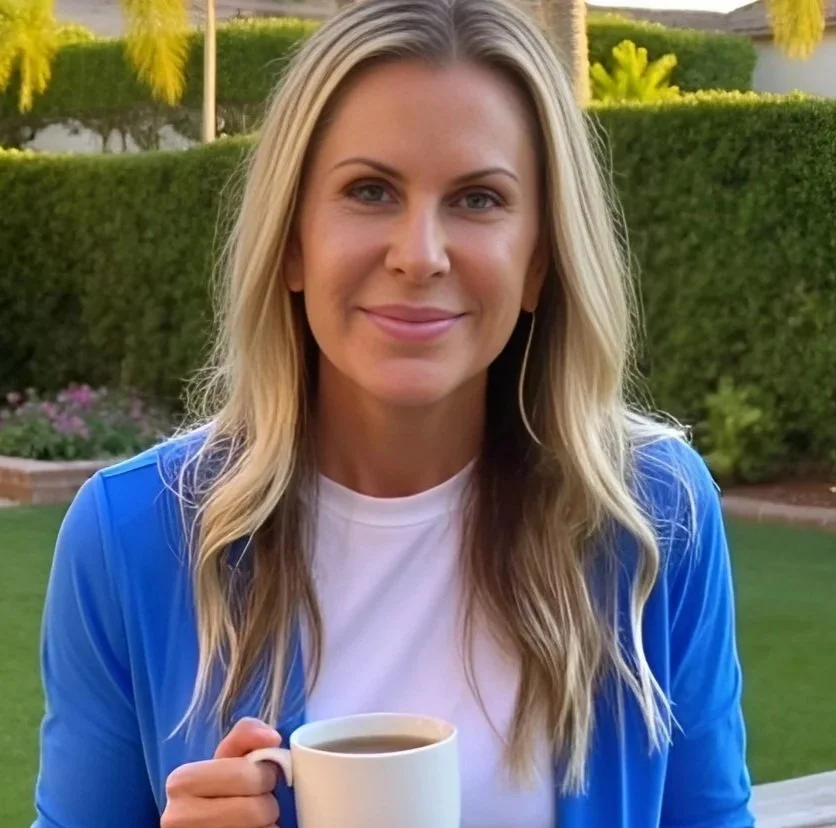
I provide supervision and consultation for clinicians at various stages of practice who are seeking thoughtful guidance, ethical grounding, and a space to process the realities of this work without judgment or pressure.
I’m Shelby Castile, Licensed Marriage & Family Therapist, and I’ve been working as a psychotherapist for over 20 years.
I run a private practice serving clients across California and I’m also the founder of OC Shrinks, a professional community of over 5,000 mental health providers who connect, collaborate, and support one another in building sustainable and meaningful careers in this field.
Over the years I’ve seen how many talented therapists struggle with the business side of private practice — not because they aren’t capable, but because no one ever taught them these pieces. Consultation calls are one of those things. When done well, they create clarity for both therapist and client. When done poorly, they can feel confusing, uncomfortable, and lead to mismatched expectations. A simple structure changes that.
If you’re a therapist looking for more support, connection, and practical guidance around building your practice, you’re invited to join the OC Shrinks community.
It’s a space for clinicians who want to grow—both professionally and personally—while staying connected to others who understand the work.
If you have any questions or want to connect before joining, feel free to reach out directly: